Granite rocks are igneous rocks, formed by
slowly cooling pockets of magma that were trapped beneath the
earth's surface. Physically, commercial granites are hard,
compact rocks with fine to coarse grains of metamorphic or
igneous origin. In terms of properties granite is a unique
material. The properties lending uniqueness to granite are:
Application
Granite is widely used as a dimension stone and as flooring tiles in
commercial buildings, monuments as well as private houses. Owing to its
strength, it is also used as foundations for homes in various countries.
With an increase in the number of acid rain in many parts of the world, this
rock has begun to supplant marble as a monument material a sit is much more
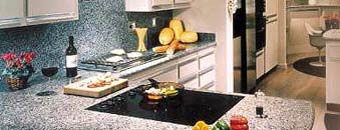
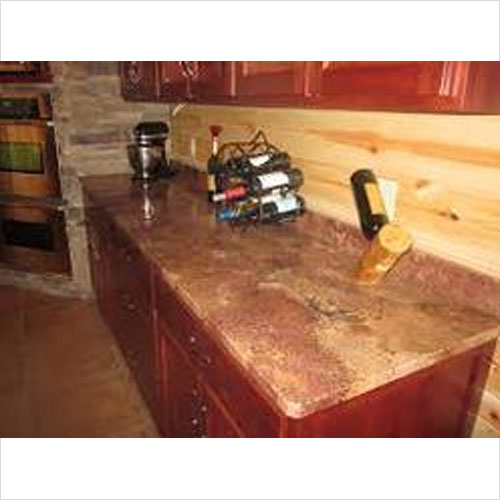
durable. Refined or polished granite is also a popular choice for kitchen
counter tops due to its requirement of low maintenance and aesthetic
properties. In such cases, "granite" is a common term for all
igneous rocks with large crystals, and not specifically to those with a
granitic composition. Granite Tiles also finds application for gravestones,
memorials and other artifacts. Engineers generally use polished granite
surfaces to establish a plane of reference, as they are relatively
impervious and inflexible.
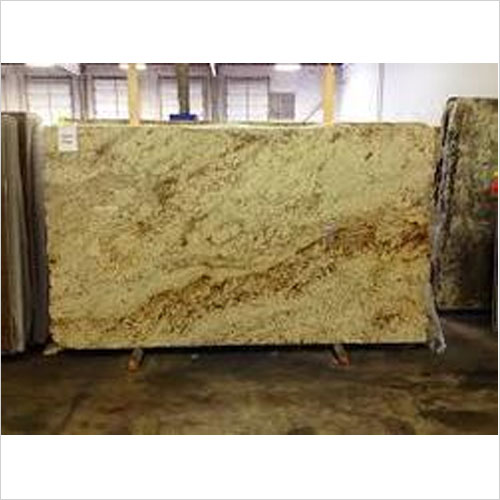
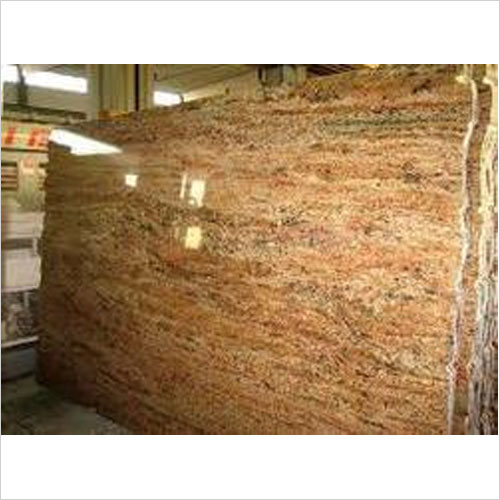
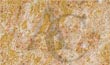
We are exporter of natural stones like
Shivakashi Yellow Granite Stone.
Product Details :
| Application Area |
Flooring, Countertops, Wall Tile, Hardscaping |
| Colour |
Grey, Brown |
| Surface Finish |
Polished, Flamed, Honed, Split |
| Usage |
wall/floor tiles,slabs(big slabs,small slabs),cut to size,countertops,vanity tops,ect |
| Surface Finishing |
Polished |
| Stone Name: |
granite tile |
| Stone Form |
Tile |
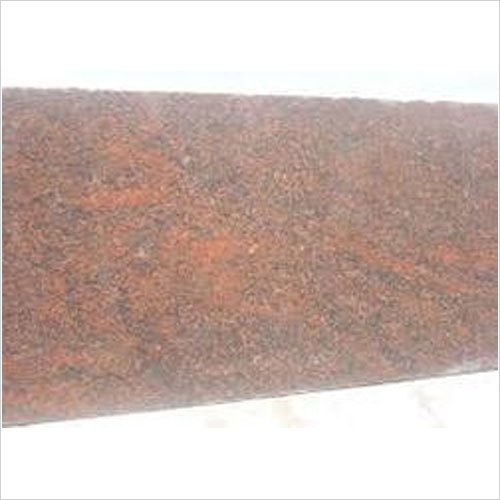
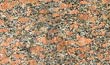
We are exporter of natural stones like
Red Color Granite Stone.
Product Details :
| Colour |
Red |
| Surface Finish |
Polished, Bush Hammered |
| Usage |
Flooring, Countertops, Wall Tile, Hardscaping |
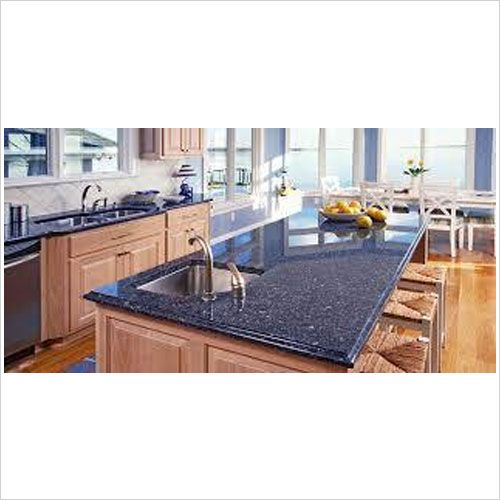
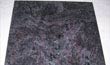
We are Exporter of Natural Stones like
Visaq Blue Granite Stone.
Product Details :
| Application Area |
24x24cm,40x40cm,60x60cm,80x80cm,etc Welcome your size. |
| Colour |
Grey, Blue |
| Coverage Area(In square feet) |
Flooring, Countertops, Wall Tile, Hardscaping |
| Surface Finish |
Polished |
| Usage |
Quality Standard Thickness tolerance |
| Type |
Granite |
| Stone Name |
Sky Blue |
| Quality Standard |
Thickness tolerance |
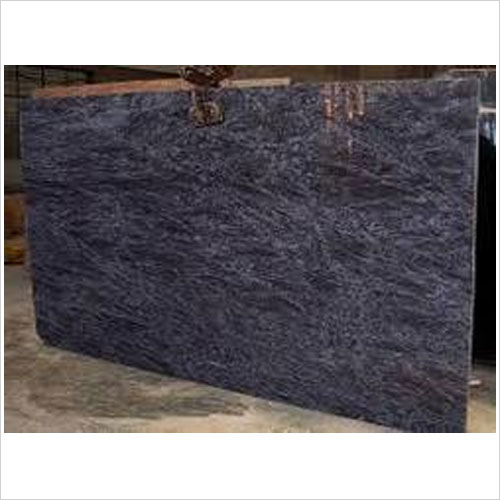
We are Exporter of Natural Stones like
Lavender Blue Granite Stone.
Product Details :
| Application Area |
Flooring, Countertops, Wall Tile, Hardscaping |
| Colour |
Grey, Lavender |
| Material |
Granite |
| Surface Finish |
Polished, Flamed, Honed |
| Type |
Granite |
| Material |
Lavender Blue Granite |
| Surface Finishing |
Polished |
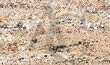
We are Exporter of Natural Stones like
Tumkur Parphory Granite Stone.
Product Details :
| Application Area |
Flooring, Countertops, Wall Tile, Hardscaping |
| Colour |
Red |
| Surface Finish |
Polished |
| Stone Name |
Granite Stone |
| Size |
Standard |
| Material |
Natural Marble |
| Stone Form |
Big Slab |
| Finished |
Saw Cut, Flamed ,Split ,Chisele |
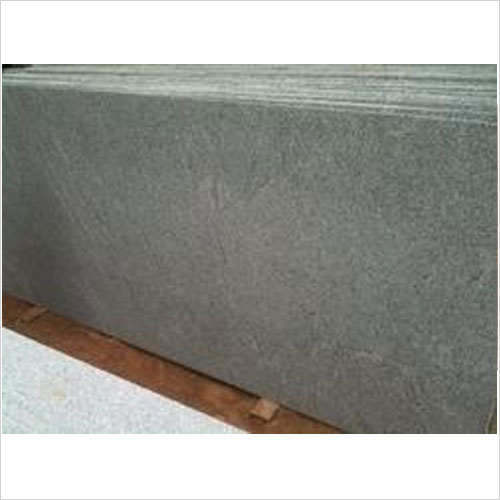
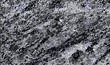
We are Exporter of Natural Stones like
Sadarhally Grey Granite Stone.
Product Details :
| Application Area |
Flooring, Countertops, Wall Tile, Hardscaping |
| Colour |
Grey |
| Material |
Stone |
| Surface Finish |
Polished, Flamed |
| Usage |
bathroom floor and wall tiles,hotel lobby,outside cladding wall ,villa,departments, luxury residenti |
| Popular Size |
300 x 600 x 20mm or 12" x 24" x 3/4" 600 x 600 x 20mm or 24" x 24" x 3/4" ect custom sizes Thicknes |
| Surface Finishing: |
Polished |
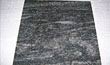
We are Exporter of Natural Stones like
Lady Dream Granite Stone.
Product Details :
| Application Area |
Flooring, Countertops, Wall Tile, Hardscaping |
| Colour |
Black |
| Surface Finish |
Polished, Flamed, Bush Hammered, Honed, Split |
| Thickness |
10-15 mm |
| Usage |
Widely used for Interior and Exterior decoration |
| Stone Name |
Granite |
| Stone Form |
Big Slab |
| Product Name |
Lady Dream Red Granite Slab |
| Surface |
Finished polished, honed, flamed |
| Sized |
Customer Specified |






















;)
;)
;)
;)
;)
;)
;)
;)
;)
;)
;)
;)
;)
;)
;)
;)
;)
;)
;)
;)
;)
;)
;)
;)
;)
;)
;)
;)